Dogs are more than pets. They are family. They are friends. They are your loyal companions who love without conditions. But what can some owners do when an emergency occurs and their dogs cannot breathe or lose consciousness? Knowing what to do can mean the difference between fear and hope in those decisive moments.
Pet CPR (Cardiopulmonary resuscitation) is a set of skills that allows owners to act fast and maximize the chances of recovery for their beloved animals. Read on to see why learning this is one of the most vital steps for your dog's safety.
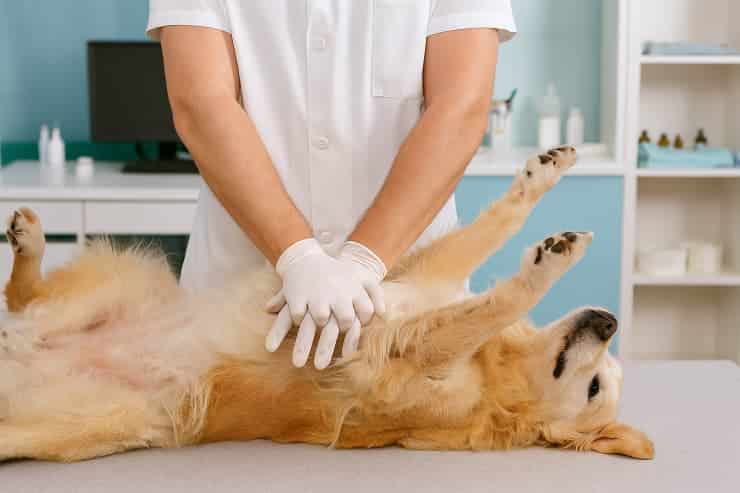
Pet CPR resembles human CPR but is modified for a dog's body. It consists mainly of chest compressions and rescue breaths to restore circulation and oxygen flow. The idea is to keep the heart and lungs beating until experts take over.
It sounds complicated, but the steps are simple and can be learned by every dedicated owner. This gives the knowledge to turn panic into action when every second matters.
Emergencies with pets are more common than many think. Dogs do choke on food or toys, can have sudden heart problems, or are involved in accidents that obstruct their breathing. Those critical moments require a fast response that can be life-saving.
By the time the vet is consulted, it may be too late; the onset of CPR right at the spot can prolong the dog's life until proper veterinary attention can be obtained. Peace of mind for knowing you are prepared is worth the cost in effort.
Though helpful, certainly nothing beats the experience of a proper hands-on course. A training course allows you to practice those techniques under the guidance of trained professionals.
You not only learn about using those techniques correctly, but also gain a measure of confidence in your ability to use them. Many of these courses even allow you to earn CPR/First Aid Certifications, demonstrating that you are prepared to act if the need arises. For dog owners, that is both a skill and a promise of care.
Knowing when to act is just as important as knowing how to. If your dog is seen collapsing and not breathing, or there is no heartbeat perceived, these may be grounds for CPR. Another sign would be gums turning pale or bluish due to the lack of oxygen.
In these instances, either waiting or hesitating can waste precious time. Your pet's only chance of survival may rest on your performing CPR until help arrives.
Learning pet CPR is not only for your dog; it allows you to save others in your community. Your neighbors, friends, or even a stranger at a park may someday find themselves in a crisis with their pets. Your ability may create a ripple effect with support for animals everywhere.
Pet CPR bridges the difference between fear and hope. It empowers owners to act reasonably when their dogs need them the most. Learning this skill is not just about acquiring information; it is definitely about having the power to save a life.
Do not wait for the emergency to rear its ugly head! Take that step, learn the methods, and give your dog the safety it deserves. In the moments that matter the most, your intervention can make the difference between walking away saying goodbye and sharing another happy walk.
You may also like: Smart Collar Pet Health Monitoring: The Future of Pet Care
We use cookies to offer you a better browsing experience, analyze site traffic, personalize content and ads.

